
Preventing Hearing Loss in Stuart, FL
Want to Prevent Hearing Loss?
Losing your hearing can negatively affect your overall health, and once it’s damaged, hearing loss from noise exposure generally can’t be reversed. The good news is that noise-induced hearing loss is largely preventable, and a few simple habits go a long way.
Everyday Prevention Tips
- Listen to your TV, car stereo, MP3 player, tablet, and smartphone at lower volumes
- Regularly let your ears rest for at least five minutes in a quiet place during a loud concert
- Avoid cotton swabs for ear cleaning, they can risk damaging your eardrum
- Keep your ears dry, and consider custom earplugs while swimming
- Get regular exercise, activities like walking, running, and cycling can benefit your hearing health too
- Manage your stress, since stress can make tinnitus symptoms feel worse
- Ask your doctor about medications that carry hearing-related side effects
- Limit your exposure to loud music or noise
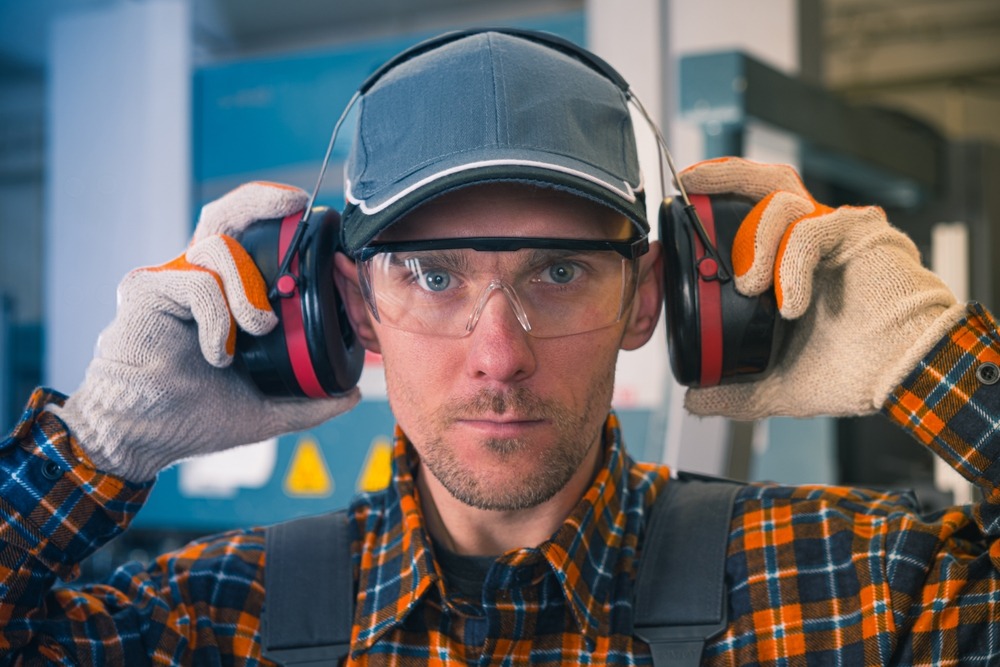
- Wear earplugs, noise-canceling headphones, or earmuffs around motorized equipment, motorcycles, fireworks, power tools, and firearms
How Loud Is Too Loud?
The National Institute for Occupational Safety and Health (NIOSH) recommends limiting noise exposure to no more than 85 decibels (dBA) over eight hours. For comparison, OSHA’s legal workplace limit is a bit higher, at 90 dBA over eight hours, so NIOSH’s guidance is actually the more protective standard to follow if you want to be cautious.
To put those numbers in context, here’s roughly where common sounds fall:
- Normal conversation: about 60 dB
- City traffic from inside a car: about 80-85 dB
- A lawnmower or power tool: about 90-100 dB
- A concert or sporting event: about 100-120 dB
- Fireworks or a gunshot: 140+ dB, loud enough to cause immediate damage
If you don’t have a way to measure decibels, a simple rule of thumb works well: if you have to raise your voice to be heard by someone two to three feet away, the noise around you is likely in the unsafe range.
Choosing the Right Hearing Protection
Earplugs are typically mass-produced or custom-fitted, come in reusable or disposable versions, and tend to be the less expensive option.
Earmuffs are bulkier and generally more expensive, but they’re often preferred by people who are more sensitive to the feeling of something inserted in the ear canal.
Whichever you choose, proper insertion matters, protection that doesn’t fit well won’t block sound the way it should. If you’re regularly exposed to loud noise for work, hobbies, or music, we also offer custom-fitted hearing protection, molded specifically to your ears for a more comfortable, more effective fit than off-the-shelf options.
Stay Ahead of Hearing Loss
Because noise-induced hearing loss develops gradually and often painlessly, regular hearing checks are one of the best ways to catch changes early, before they become noticeable in everyday life. Our doctoral-level audiologists, Kirsten Atwood, Au.D., CCC-A, Brenda Lasky, Au.D., and Norma Rivera Guttman, Au.D., recommend a baseline hearing test if you haven’t had one recently, especially if you work in a noisy environment. Visit our Hearing Testing page to learn what to expect.

Want to Prevent Hearing Loss?
Call us at (772) 248-4172, we’re happy to help you find the right hearing protection or schedule a hearing test.