
Hearing Loss
Hearing empowers us and helps us live without limitations. It shapes how we socialize, work, communicate, stay safe, and relax. Hearing loss can affect all of that more than most people realize. Approximately 48 million Americans, or 20 percent of the population, are living with some degree of hearing loss, and many go years without doing anything about it.
What Causes Hearing Loss?
Hearing loss can be caused by a number of factors, including:
- Advancing age (presbycusis)
- Certain prescription medications
- Head injury
- Heredity
- Prolonged exposure to loud noises
- Acoustic trauma
- Illnesses such as mumps, Meniere’s disease, otosclerosis, or autoimmune disorders
- Tumors
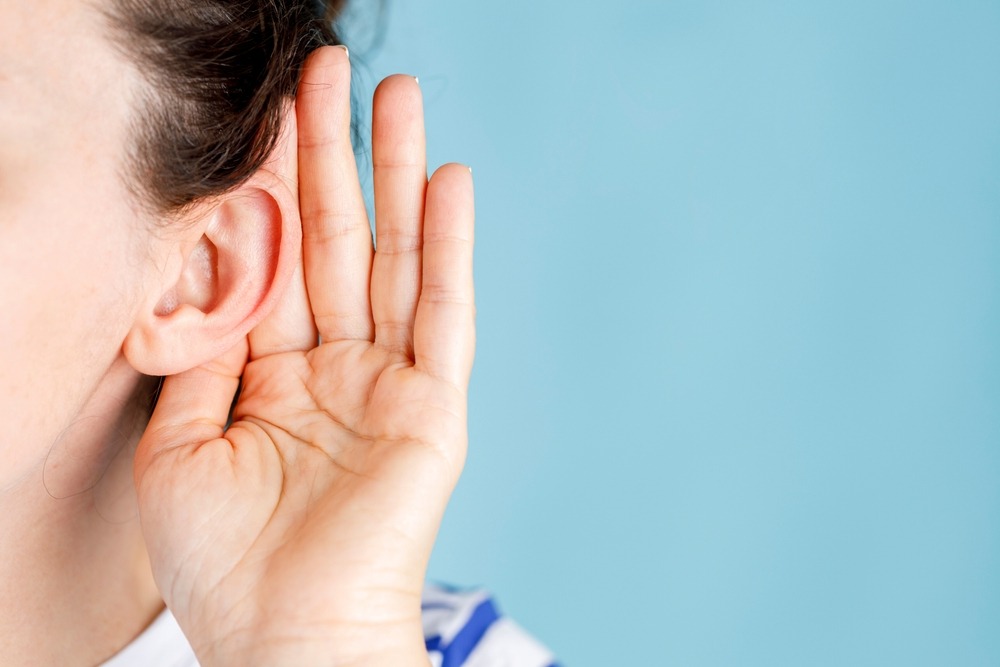
How Hearing Loss Happens
Normally, sound waves travel through your ear and are converted into signals your brain can interpret. Loud noises can damage the tiny hairs or nerve cells that send those sound signals to the brain, especially with long-term exposure, which is one of the most common ways hearing loss develops over time.
Types of Hearing Loss
Sensorineural Hearing Loss
The most common type, often associated with aging, and can also result from noise exposure or disease.
Conductive Hearing Loss
Stems from a mechanical problem in the outer or middle ear, or from an obstruction, like a build-up of earwax.
Mixed Hearing Loss
Features components of both sensorineural and conductive hearing loss.
Signs You May Have Hearing Loss
- Sounds seem muffled
- You frequently ask others to repeat themselves
- You’ve been turning up the TV or radio volume
- You’ve started withdrawing from social situations
- You struggle to follow conversations in noisy environments
- You experience sudden hearing loss in one ear
- You notice ringing or buzzing (tinnitus)
- Friends or family have mentioned changes in how you communicate
How Do I Know for Sure?
A simple hearing test will determine if you’re experiencing hearing loss, and it’s the only reliable way to know for sure. Our doctoral-level audiologists, Kirsten Atwood, Au.D., CCC-A, Brenda Lasky, Au.D., and Norma Rivera Guttman, Au.D., will walk you through a painless evaluation and explain exactly what your results mean.
What Happens After a Diagnosis?
If your hearing test shows hearing loss, our audiologists will talk you through your options based on the type and severity of your loss, along with your lifestyle and goals. For many people, that means exploring hearing aids, and we carry a wide range of styles and technology levels. Visit our Hearing Aids page to learn more about what’s available, or come in and we’ll walk you through it in person.

Don’t Wait to Get Tested
The sooner you address hearing loss, the sooner you can get back to the conversations, moments, and relationships that matter most to you.
Call us at (772) 248-4172 to reach a specialist. We’re here to help.